Z The Zenklusen Lab
Latest New review with the Plaschka lab on mRNP packaging and export PhD & postdoc positions open — see Join Us Talk at the Montreal RNA Salon
Université de Montréal · Biochemistry & Molecular Medicine

we study
RNA.

A lab of biochemists, cell biologists and microscopists asking how the cell organizes RNA in space and time — from single transcripts on their way to nuclear pores to ribosomes within the multi-layered nucleolus.

Principal InvestigatorDaniel Zenklusen, PhD WherePavillon J.-A.-Bombardier · Montréal ToolkitSingle-molecule and super-resolution microscopy, biochemistry, genomics
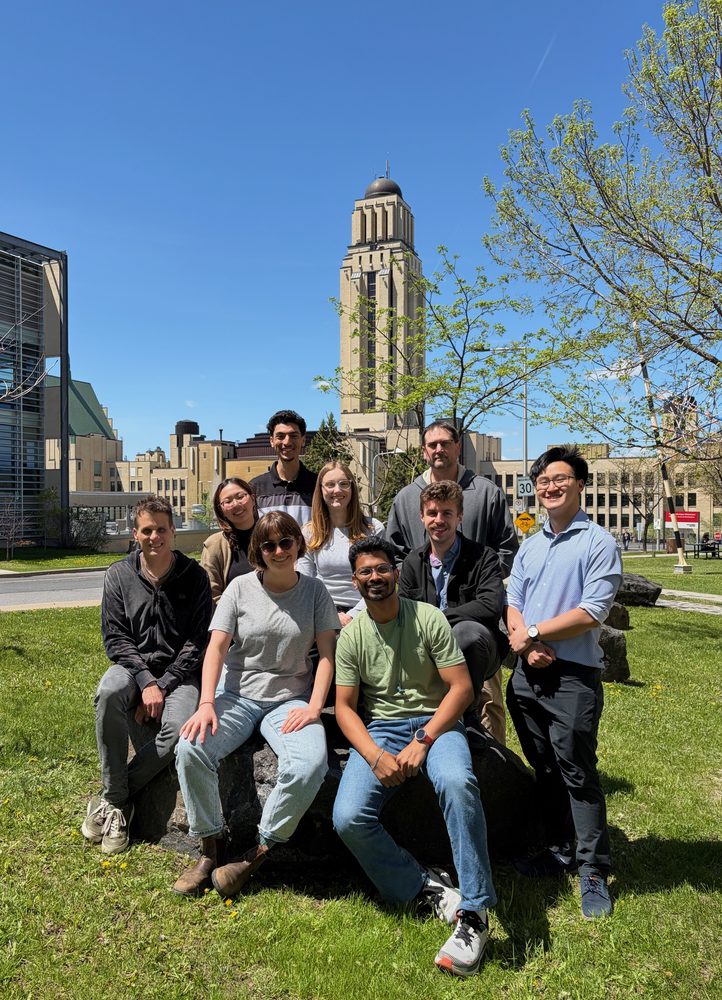
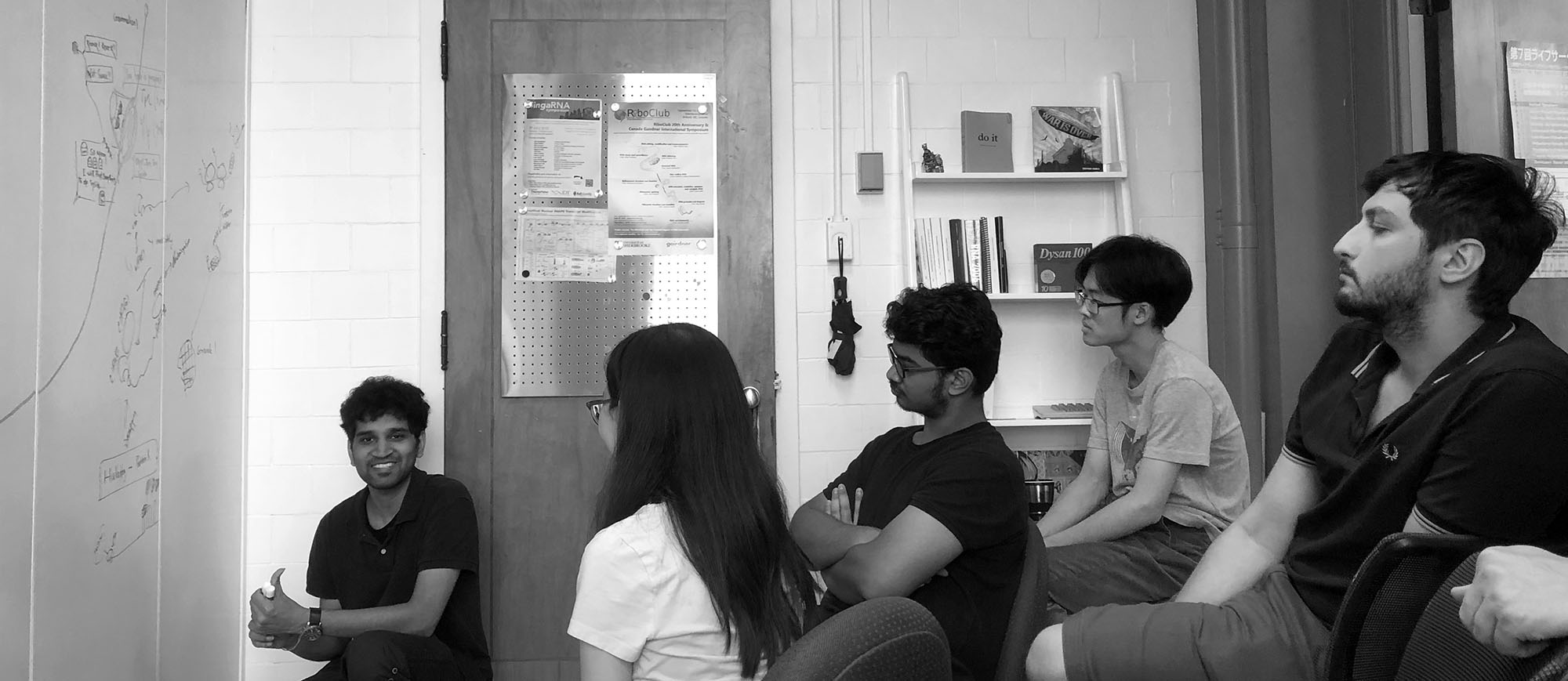
The Zenklusen Lab, May 2026
The lab · May 2026
Curiosity, in single molecules

The lab combines single-molecule and super-resolution microscopy with genetics and biochemistry to work out the rules that govern RNA metabolism — how messenger RNAs are packaged, sorted, exported, and translated, and how long non-coding RNAs find their place inside the nucleus.

We are interested in the everyday choreography of the cell: which RNAs leave through the nuclear pore, which ones stay, and how their organization sets up the next step of gene expression. Defects in these steps are at the heart of cancer and neurodegenerative diseases like ALS, so the basic biology has a long arm.

The Zenklusen Lab
Research areas

Three lenses
on RNA biology.

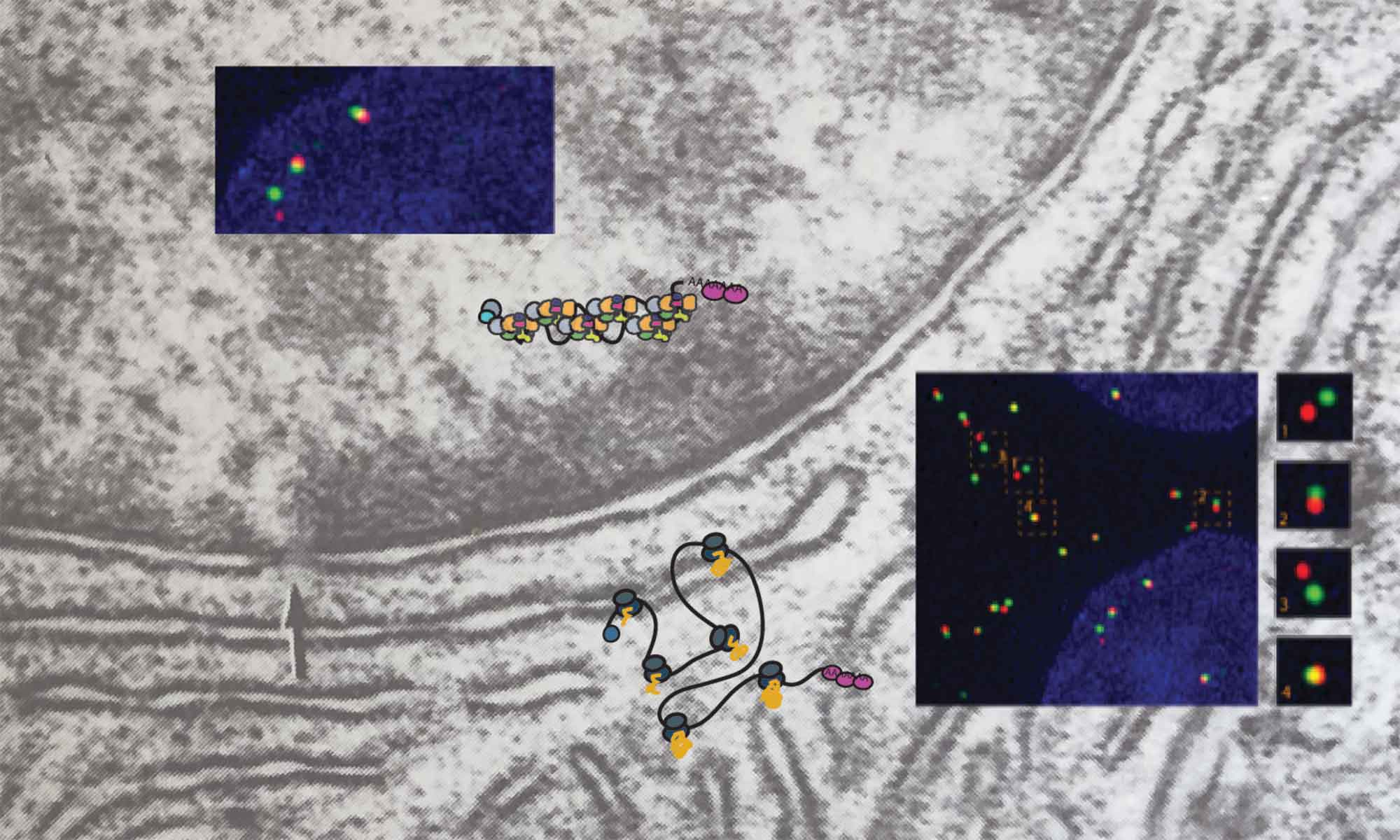
From the geometry of a single mRNP to the architecture of the nuclear pore, our work spans scales without leaving the cell.

✦ ✦ ✦
I.

RNP organization

RNPs are central to cellular function, and disruption of their components contributes to diseases ranging from cancer to neurodegeneration. Using single-molecule and super-resolution microscopy alongside genomics and proteomics, we ask how RNPs are organized inside cells and how this organization breaks down in disease.

II.

The nuclear pore

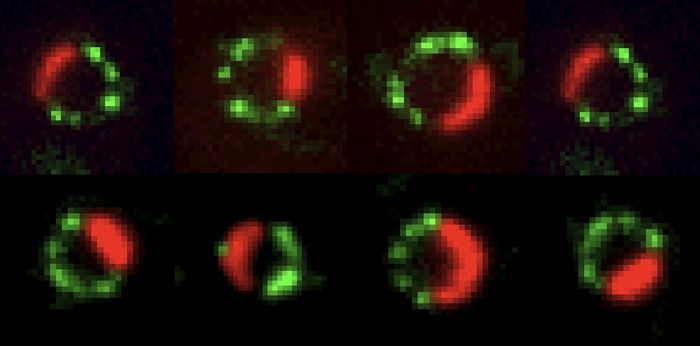
The nuclear pore complex (NPC) is the sole gateway between the nucleus and the cytoplasm. We investigate how NPCs select which RNAs to export and which to retain, and whether individual pores carry out distinct functions.

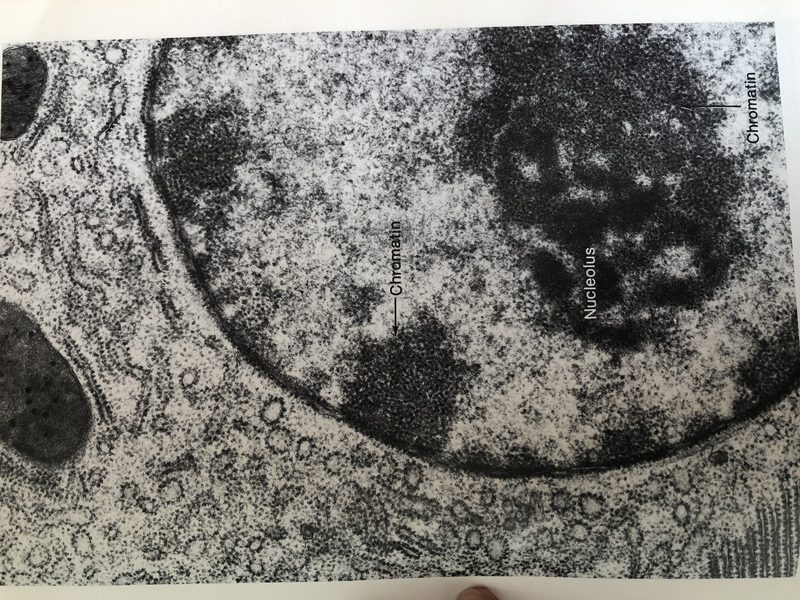
Electron micrograph of the nucleolus
III.

Nuclear and nucleolar organization

The nucleus is highly organized in space, and its subcompartments play key roles in carrying out gene expression programs. We explore how membraneless bodies like the nucleolus and nuclear speckles contribute to the regulation of gene expression.

Featured projects

A cabinet of
ongoing curiosities.

The team

Curious minds
at the bench.

A small, mixed group of biochemists, cell biologists and quantitative microscopists.

Principal Investigator
Daniel Zenklusen

Daniel Zenklusen

Professor
“whatever RNA”
Zenklusen lab
PhD students
Justina Chu

Justina Chu

PhD student
“ribosomes, anyone”
Om Mattagajasingh

Om Mattagajasingh

PhD student
“single molecule wizard”
Roumaissa Kahoul

Roumaissa Kahoul

PhD student co-supervised with Malik Chaker-Magot (UdeM)
“mRNPs”
Michel-Pierre Terrier

Michel-Pierre Terrier

PhD student co-supervised with Marlene Oeffinger (IRCM)
“everything basket”
Master’s students
Hoai Thinh Luu

Hoai Thinh Luu

MSc student
“what is so special about these introns?”
Matilda McGirr

Matilda McGirr

MSc student
“introns and beyond”
Research staff
Pascal Raymond

Pascal Raymond

Agent de recherche
“a bit of everything”
Undergraduate researchers
Arash Meghdadi Esfahani

Arash Meghdadi Esfahani

Honours student
“pre-mRNA dynamics”
Ziad-Aïman Jaouhari

Ziad-Aïman Jaouhari

Honours student co-supervised with Jean-Benoît Lalanne (UdeM)
“how to get rid of these introns”
Sophie Bélanger

Sophie Bélanger

CO-OP student University of Ottawa
“nucleolar structure”
Selected publications

Findings, in print.

A small selection — see Google Scholar and the Publications page for the complete list.

2025

Mechanisms of messenger RNA packaging and export

Faraway R., Zenklusen D., Plaschka C.
2024

Cancer cells restrict immunogenicity of retrotransposon expression via distinct mechanisms

Sun S., You E., Hong J., Hoyos D., Del Priore I., Tsanov K.M., Mattagajasingh O., et al.
2022

Nuclear mRNA metabolism drives selective basket assembly on a subset of nuclear pore complexes in budding yeast

Bensidoun P., Reiter T., Montpetit B., Zenklusen D., Oeffinger M.
2021

Stress granule formation, disassembly, and composition are regulated by alphavirus ADP-ribosylhydrolase activity

Jayabalan A.K., Adivarahan S., Koppula A., Abraham R., Batish M., Zenklusen D., Griffin D.E., Leung A.K.L.
2018

Spatial organization of single mRNPs at different stages of the gene expression pathway

Adivarahan S., Livingston N., Nicholson B., Rahman S., Wu B., Rissland O.S., Zenklusen D.
2016

Structure and function of the nuclear pore complex cytoplasmic mRNA export platform

Fernandez-Martinez J., Kim S.J., Shi Y., Upla P., Pellarin R., Gagnon M., Chemmama I.E., Wang J., Nudelman I., Zhang W., Williams R., Rice W.J., Stokes D.L., Zenklusen D., Chait B.T., Sali A., Rout M.P.
Open positions

Join the lab.

We are hiring.

The lab welcomes applications for PhD and postdoctoral candidates interested in RNA biology, nuclear organization, single-molecule and super-resolution imaging and/or RNP biochemistry.

Please write directly with a CV and a short cover letter describing your scientific interests.

Email Daniel

Find us in Montréal.

AddressPavillon J.-Armand-Bombardier ↗
Université de Montréal · Polytechnique Montréal
Montréal, Québec, Canada

DepartmentBiochemistry & Molecular Medicine
Université de Montréal

Webzenklusenlab.org

Generously supported by

Our funders.

← Back to projects The Zenklusen Lab

RNA transport through the nuclear pore complex.

Nuclear pores and basket

We study how the nuclear pore complex (NPC) modulates the export of mRNAs while retaining others, like lncRNAs and unprocessed mRNAs. The selection rules remain unclear, and many proteins involved are mutated in diseases such as ALS.

We have a particular interest in one of the most mysterious parts of the NPC: the nuclear basket.

Explore some of our work on this topic

Nuclear mRNA metabolism drives selective basket assembly on a subset of nuclear pore complexes in budding yeast

Bensidoun P., Reiter T., Montpetit B., Zenklusen D., Oeffinger M.

Choosing the right exit: how functional plasticity of the nuclear pore drives selective and efficient mRNA export

Bensidoun P., Zenklusen D., Oeffinger M.

Structure and function of the nuclear pore complex cytoplasmic mRNA export platform

Fernandez-Martinez J., Kim S.J., Shi Y., Upla P., Pellarin R., Gagnon M., Chemmama I.E., Wang J., Nudelman I., Zhang W., Williams R., Rice W.J., Stokes D.L., Zenklusen D., Chait B.T., Sali A., Rout M.P.
← Back to projects The Zenklusen Lab

(pre-)mRNP topology and its role in regulating RNA metabolism.

mRNP conformation imaging

In cells, RNA is not just a long string of nucleotides but an RNA–protein (RNP) assembly, in which different regions of these complexes communicate with their environment to regulate gene expression. While the RNP proteome is well characterized, little is known about how mRNPs are organized as 3D assemblies.

This 3D organization is critical for many aspects of RNA metabolism — for example, mRNA organization for efficient translation, or intron organization for accurate splicing. We use microscopy, biochemical, and structural approaches to study RNP organization in healthy cells and in the context of disease-associated mutations in specific RNA-binding proteins.

Explore some of our work on this topic

Spatial organization of single mRNPs at different stages of the gene expression pathway

Adivarahan S., Livingston N., Nicholson B., Rahman S., Wu B., Rissland O.S., Zenklusen D.

Mechanisms of messenger RNA packaging and export

Faraway R., Zenklusen D., Plaschka C.
← Back to projects The Zenklusen Lab

Ribosome biogenesis and nucleolar organization.

Ribosomal protein tracking

Ribosomes are complex RNA–protein machines essential for protein synthesis, and defects in their assembly cause a range of diseases. They are built in the nucleolus, where a large rRNA precursor is transcribed and processed into multiple rRNAs that assemble with proteins into the ribosomal subunits.

This occurs within the nucleolus's multilayered, phase-separated compartments. We use single-molecule imaging to investigate the spatio-temporal progression of ribosome biogenesis, aiming to understand how this complex process is executed and whether it gives rise to specialized ribosomes.

Explore some of our work on this topic

Senescence-associated ribosome biogenesis defects contribute to cell cycle arrest through the Rb pathway

Lessard F., Igelmann S., Trahan C., Huot G., Saint-Germain E., Mignacca L., Del Toro N., Lopes-Paciencia S., Le Calvé B., Montero M., Deschênes-Simard X., Bury M., Moiseeva O., Rowell M.C., Zorca C.E., Zenklusen D., Brakier-Gingras L., Bourdeau V., Oeffinger M., Ferbeyre G.

Nol12 is a multifunctional RNA-binding protein at the nexus of RNA and DNA metabolism

Scott D.D., Trahan C., Aguilar L.C., Delubac M., Adivarahan S., Van Nostrand E., Zindy P.J., Wei K.E., Yeo G., Zenklusen D., Oeffinger M.
← Back to projects The Zenklusen Lab

LINE-1 biology.

LINE-1 RNA imaging

Long Interspersed Nuclear Element-1 (LINE-1) is the only autonomously mobile genetic element in the human genome, accounting for roughly 17 percent of human DNA. Normally silenced in adult somatic tissues via DNA methylation, its derepression is a near-universal hallmark of many human cancers, particularly carcinomas.

Despite extensive characterization of LINE-1 expression in cancer, key aspects of its endogenous life cycle remain poorly understood, including the role of cytoplasmic ORF1p granules used as biomarkers. We use single-molecule and super-resolution microscopy, proteomic and genomic approaches to dissect the spatiotemporal regulation of LINE-1.

Explore some of our work on this topic

Cancer cells restrict immunogenicity of retrotransposon expression via distinct mechanisms

Sun S., You E., Hong J., Hoyos D., Del Priore I., Tsanov K.M., Mattagajasingh O., Di Gioacchino A., Marhon S.A., Chacon-Barahona J., Li H., Jiang H., Hozeifi S., Rosas-Bringas O., Xu K.H., Song Y., Lang E.R., Rojas A.S., Nieman L.T., Patel B.K., Murali R., Chanda P., Karacay A., Vabret N., De Carvalho D.D., Zenklusen D., LaCava J., Lowe S.W., Ting D.T., Iacobuzio-Donahue C.A., Solovyov A., Greenbaum B.D.
← Back to projects The Zenklusen Lab

Post-splicing intron metabolism.

Intron lariats

Introns are typically viewed as splicing byproducts, rapidly degraded following excision from pre-mRNAs. Yet when their turnover is disrupted by mutation, disease phenotypes emerge — including increased susceptibility to viral infections.

We investigate post-intron metabolism through genomic, proteomic, and microscopy approaches to understand how defective intron turnover drives disease.

← Back to homepage The Zenklusen Lab

Publications.

A chronological selection of work from the lab and collaborations. The complete, always-current list lives on PubMed and Google Scholar:

2025

Mechanisms of messenger RNA packaging and export

Faraway R., Zenklusen D., Plaschka C.
2024

Cancer cells restrict immunogenicity of retrotransposon expression via distinct mechanisms

Sun S., You E., Hong J., Hoyos D., Del Priore I., Tsanov K.M., Mattagajasingh O., Di Gioacchino A., Marhon S.A., Chacon-Barahona J., Li H., Jiang H., Hozeifi S., Rosas-Bringas O., Xu K.H., Song Y., Lang E.R., Rojas A.S., Nieman L.T., Patel B.K., Murali R., Chanda P., Karacay A., Vabret N., De Carvalho D.D., Zenklusen D., LaCava J., Lowe S.W., Ting D.T., Iacobuzio-Donahue C.A., Solovyov A., Greenbaum B.D.
2023

Differential affinity purification and mass spectrometry analysis of two nuclear pore complex isoforms in yeast S. cerevisiae

Bensidoun P., Zenklusen D., Oeffinger M.
2022

Nuclear mRNA metabolism drives selective basket assembly on a subset of nuclear pore complexes in budding yeast

Bensidoun P., Reiter T., Montpetit B., Zenklusen D., Oeffinger M.
2022

Single-cell multi-omics of human preimplantation embryos shows susceptibility to glucocorticoids

Zhao C., Biondic S., Vandal K., Björklund Å.K., Hagemann-Jensen M., Sommer T.M., Canizo J., Clark S., Raymond P., Zenklusen D.R., Rivron N., Reik W., Petropoulos S.
2021

Choosing the right exit: how functional plasticity of the nuclear pore drives selective and efficient mRNA export

Bensidoun P., Zenklusen D., Oeffinger M.
2021

Stress granule formation, disassembly, and composition are regulated by alphavirus ADP-ribosylhydrolase activity

Jayabalan A.K., Adivarahan S., Koppula A., Abraham R., Batish M., Zenklusen D., Griffin D.E., Leung A.K.L.
2021

Probing the conformational state of mRNPs using smFISH and SIM

Adivarahan S., Zenklusen D.
2019

Lessons from (pre-)mRNA imaging

Adivarahan S., Zenklusen D.
2019

Live-cell imaging of mRNP–NPC interactions in budding yeast

Lari A., Farzam F., Bensidoun P., Oeffinger M., Zenklusen D., Grunwald D., Montpetit B.
2018

Spatial organization of single mRNPs at different stages of the gene expression pathway

Adivarahan S., Livingston N., Nicholson B., Rahman S., Wu B., Rissland O.S., Zenklusen D.
2018

Senescence-associated ribosome biogenesis defects contribute to cell cycle arrest through the Rb pathway

Lessard F., Igelmann S., Trahan C., Huot G., Saint-Germain E., Mignacca L., Del Toro N., Lopes-Paciencia S., Le Calvé B., Montero M., Deschênes-Simard X., Bury M., Moiseeva O., Rowell M.C., Zorca C.E., Zenklusen D., Brakier-Gingras L., Bourdeau V., Oeffinger M., Ferbeyre G.
2018

A model of cyclical infection and clearance during persistence of arenavirus in individual cells revealed by single-molecule fluorescence in situ hybridization

King B.R., Mueller F., Samacoits A., Eisenhauer P.L., Ziegler C.M., Bruce A.E., Zenklusen D., Zimmer C., Botten J.
2018

Measuring mRNA decay in budding yeast using single molecule FISH

Trcek T., Rahman S., Zenklusen D.
2017

Nol12 is a multifunctional RNA-binding protein at the nexus of RNA and DNA metabolism

Scott D.D., Trahan C., Aguilar L.C., Delubac M., Adivarahan S., Van Nostrand E., Zindy P.J., Wei K.E., Yeo G., Zenklusen D., Oeffinger M.
2017

Visualization of the lymphocytic choriomeningitis mammarenavirus (LCMV) genome reveals the early endosome as a possible site for genome replication and viral particle pre-assembly

King B.R., Kellner S., Eisenhauer P.L., Bruce E.A., Ziegler C.M., Zenklusen D., Botten J.W.
2017

Single-cell profiling reveals that eRNA accumulation at enhancer–promoter loops is not required to sustain transcription

Rahman S., Zorca C.E., Traboulsi T., Noutahi E., Krause M.R., Mader S., Zenklusen D.
2016

Structure and function of the nuclear pore complex cytoplasmic mRNA export platform

Fernandez-Martinez J., Kim S.J., Shi Y., Upla P., Pellarin R., Gagnon M., Chemmama I.E., Wang J., Nudelman I., Zhang W., Williams R., Rice W.J., Stokes D.L., Zenklusen D., Chait B.T., Sali A., Rout M.P.
2016

Imaging single mRNAs to study dynamics of mRNA export in the yeast Saccharomyces cerevisiae

Bensidoun P., Raymond P., Oeffinger M., Zenklusen D.
2015

The nuclear basket mediates perinuclear mRNA scanning in budding yeast

Saroufim M.-A., Bensidoun P., Raymond P., Rahman S., Krause M.R., Oeffinger M., Zenklusen D.
2015

In vivo single-particle imaging of nuclear mRNA export in budding yeast demonstrates an essential role for Mex67p

Smith C., Lari A., Derrer C.P., Ouwehand A., Rossouw A., Huisman M., Dange T., Hopman M., Joseph A., Zenklusen D., Weis K., Grunwald D., Montpetit B.
2015

Promoter-autonomous functioning in a controlled environment using single molecule FISH

Hocine S., Vera M., Zenklusen D., Singer R.H.
2015

Myosin VI regulates gene pairing and transcriptional pause release in T cells

Zorca C.E., Kim L.K., Kim Y.J., Krause M.R., Zenklusen D., Spilianakis C.G., Flavell R.A.
2013

Bimodal expression of PHO84 is modulated by early termination of antisense transcription

Castelnuovo M., Rahman S., Guffanti E., Infantino V., Stutz F., Zenklusen D.
2013

A nutrient-responsive pathway that determines M-phase timing through control of B-cyclin mRNA stability

Messier V., Bahmanyar S., Tang C., Snyder M., Zenklusen D., Michnick S.W.
2013

Single-molecule analysis of gene expression using two-color RNA labeling in live yeast

Hocine S., Raymond P., Zenklusen D., Chao J.A., Singer R.H.
2013

Single-molecule resolution fluorescent in situ hybridization (smFISH) in the yeast S. cerevisiae

Rahman S., Zenklusen D.
2012

To the pore and through the pore: a story of mRNA export kinetics

Oeffinger M., Zenklusen D.
2012

Single-mRNA counting using fluorescent in situ hybridization in budding yeast

Trcek T., Chao J.A., Larson D.R., Park H.Y., Zenklusen D., Shenoy S.M., Singer R.H.
2011

Real-time observation of transcription initiation and elongation on an endogenous yeast gene

Larson D.R., Zenklusen D., Wu B., Chao J.A., Singer R.H.
2011

Transcription of functionally related constitutive genes is not coordinated

Gandhi S.J., Zenklusen D., Lionnet T., Singer R.H.
2011

A nucleoporin, Nup60p, affects the nuclear and cytoplasmic localization of ASH1 mRNA in S. cerevisiae

Powrie E.A., Zenklusen D., Singer R.H.
2011

Imaging real-time gene expression in living yeast

Zenklusen D., Wells A.L., Condeelis J.S., Singer R.H.
2011

Single-molecule imaging protocols — Cold Spring Harbor Protocols (companion entries)

Zenklusen D., Wells A.L., Condeelis J.S., Singer R.H. — companion protocols
2010

Analyzing mRNA expression using single mRNA resolution fluorescent in situ hybridization

Zenklusen D., Singer R.H.
2010

Metabolic cycling in single yeast cells from unsynchronized steady-state populations limited on glucose or phosphate

Silverman S.J., Petti A.A., Slavov N., Parsons L., Briehof R., Thiberge S.Y., Zenklusen D., Gandhi S.J., Larson D.R., Singer R.H., Botstein D.
2009

A single molecule view of gene expression

Larson D.R., Singer R.H., Zenklusen D.
2009

Rrp17p is a eukaryotic exonuclease required for 5′ end processing of pre-60S ribosomal RNA

Oeffinger M., Zenklusen D., Wei K.E., Ferguson A., El Hage A., Tollervey D., Chait B.T., Singer R.H., Rout M.P.
2009

Imaging transcription in living cells

Darzacq X., Yao J., Larson D.R., Causse S.Z., Bosanac L., de Turris V., Ruda V.M., Lionnet T., Zenklusen D., Guglielmi B., Tjian R., Singer R.H.
2008

Single-RNA counting reveals alternative modes of gene expression in yeast

Zenklusen D., Larson D.R., Singer R.H.
2007

YRA1 autoregulation requires nuclear export and cytoplasmic Edc3p-mediated degradation of its pre-mRNA

Dong S., Li C., Zenklusen D., Singer R.H., Jacobson A., He F.
2005

Spatial regulation of β-actin translation by Src-dependent phosphorylation of ZBP1

Hüttelmaier S., Zenklusen D., Lederer M., Dictenberg J., Lorenz M., Meng X., Bassell G.J., Condeelis J., Singer R.H.
2005

Perinuclear Mlp proteins downregulate gene expression in response to a defect in mRNA export

Vinciguerra P., Iglesias N., Camblong J., Zenklusen D., Stutz F.
2004

She2p is a novel RNA-binding protein with a basic helical hairpin motif

Niessing D., Hüttelmaier S., Zenklusen D., Singer R.H., Burley S.K.
2004

A new yeast PUF family protein, Puf6p, represses ASH1 mRNA translation and is required for its localization

Gu W., Deng Y., Zenklusen D., Singer R.H.
2003

RNA asymmetric distribution and daughter/mother differentiation in yeast

Darzacq X., Powrie E., Gu W., Singer R.H., Zenklusen D.
2002

Coupling of termination, 3′ processing and mRNA export

Hammell C.M., Gross S., Zenklusen D., Heath C.V., Stutz F., Moore C., Cole C.N.
2002

Stable mRNP formation and export require co-transcriptional recruitment of the mRNA export factors Yra1p and Sub2p by Hpr1p

Zenklusen D., Vinciguerra P., Wyss J.-C., Stutz F.

Daniel Zenklusen has co-authored 51+ peer-reviewed papers across more than two decades of RNA biology. For the complete, continuously updated list — including older work and book chapters — please visit PubMed or Google Scholar.

← Back to people The Zenklusen Lab
Michel-Pierre Terrier

Michel-Pierre
Terrier.

RolePhD student

Co-supervised withMarlene Oeffinger (IRCM)

Topic“everything basket”

mRNAs are essential intermediates in gene expression, bridging the genetic information encoded in DNA and the proteins that execute cellular function. Before translation can occur, these transcripts must traverse the nuclear pore complex (NPC) — the sole gateway between nucleus and cytoplasm — a process whose underlying mechanisms remain incompletely understood.

My project centers on TPR, a key structural component of the nuclear basket, a filamentous scaffold that extends from the cytoplasmic face of the NPC into the nuclear interior. As the likely first point of contact between export-competent mRNAs and the NPC, the nuclear basket is uniquely positioned to act as a gatekeeper of nuclear export.

I aim to dissect the role of TPR and the nuclear basket in guiding mRNAs toward the central channel of the NPC, determine whether this structure actively regulates pore access, and uncover the full breadth of its functions in mRNA biogenesis and export.

← Back to people The Zenklusen Lab
Sophie Bélanger

Sophie
Bélanger.

RoleCO-OP student

Home institutionUniversity of Ottawa

Topic“nucleolar structure”

ConnectLinkedIn ↗

The nucleolus is a dynamic nuclear compartment whose organization can shift in response to cellular conditions, though the triggers of these changes are not fully understood.

During my summer project, I am using immunofluorescence and RNA FISH microscopy to visualize the nucleolus and characterize how its structure responds to different stimuli.

← Back to people The Zenklusen Lab
Roumaissa Kahoul

Roumaissa
Kahoul.

RolePhD student

Co-supervised withMalik Chaker-Margot (UdeM)

Topic“mRNPs”

ConnectLinkedIn ↗

Cytoplasmic mRNAs cycle between translationally active and inactive states, yet the mechanisms governing these transitions remain poorly understood.

My project investigates how the composition and structure of cytoplasmic mRNP complexes regulate these transitions, combining proteomics and cryo-EM.

← Back to people The Zenklusen Lab
Om Mattagajasingh

Om
Mattagajasingh.

RolePhD student

Topic“single molecule wizard”

ConnectLinkedIn ↗

CVDownload CV ↗

“If you look at nature carefully and really pay attention, then, if you’re lucky, you can catch a glimpse of something deeply hidden.” — Albert Einstein

I study how genetic information is curated, expressed, and regulated. Using cutting-edge imaging modalities, I explore how RNA-binding proteins and molecular machines shape RNA processing, how the nucleus organizes itself into compartments, and how evolutionary dialogue unfolds between retrotransposons and host cells.

My research is an attempt to look at life in super resolution to get a glimpse of the hidden logic by which molecular soup comes alive.

I focus on two main projects in my PhD. In my primary project, I am developing a live-cell single-particle tracking approach to resolve the functional RNA-bound states of intron-binding proteins, and to investigate how they shape intron topology, suppress retrotransposon-derived exonization, and retain transcripts at nuclear speckle boundaries during co- and post-transcriptional splicing.

My second project explores the cytoplasmic life of LINE-1 RNA through smFISH and super-resolution imaging, asking whether its granules serve as vehicles for retrotransposon propagation or as cellular compartments that restrain these virus-like elements.

Explore some of my work

Cancer cells restrict immunogenicity of retrotransposon expression via distinct mechanisms

Sun S., You E., Hong J., Hoyos D., Del Priore I., Tsanov K.M., Mattagajasingh O., Di Gioacchino A., Marhon S.A., Chacon-Barahona J., Li H., Jiang H., Hozeifi S., Rosas-Bringas O., Xu K.H., Song Y., Lang E.R., Rojas A.S., Nieman L.T., Patel B.K., Murali R., Chanda P., Karacay A., Vabret N., De Carvalho D.D., Zenklusen D., LaCava J., Lowe S.W., Ting D.T., Iacobuzio-Donahue C.A., Solovyov A., Greenbaum B.D.
Meetings & courses
Oral presentations
  • 3e Symposium scientifique du Centre d’innovation biomédicale2025
  • Le symposium de recherche du Département de biochimie et médecine moléculaire2024
  • Montreal RNA Salon Meeting2024
Poster presentations
  • 29th Annual Meeting of the RNA Society, Edinburgh2024
  • 9th Annual Meeting of the Biophysical Society of Canada, Montréal2024
  • RiboClub Annual Meeting, Sherbrooke2024
  • 2e Symposium scientifique du Centre d’innovation biomédicale, Montréal2024
Workshop participation
  • GloBIAS Bioimage Analysis Conference, Kobe2025
  • MLMC In-Focus: STimulated Emission Depletion (STED) Microscopy, Montréal2024
  • GBI-LNMA Bioimage Analysis Course, Cuernavaca2024
  • Quantitative Superresolution Microscopy Workshop, Calgary2023
← Back to people The Zenklusen Lab
Justina Chu

Justina
Chu.

RolePhD student

Topic“ribosomes, anyone”

ConnectLinkedIn ↗

ORCID0009-0005-5835-3348 ↗

CVDownload CV ↗

“If I have seen further, it is by standing on the shoulders of Giants.” — Isaac Newton

Ribosome biogenesis is an intricately regulated process that takes place in the nucleolus, a layered, phase-separated organelle. Although this process has been extensively studied, its spatiotemporal organization remains an enigma.

By building upon the many outstanding ideas and findings from the “giants” in the field, we can help ourselves imagine, push the boundaries of knowledge, and possibly learn a little more together about ribosome biology.

To address these current unknowns, in my Ph.D. projects, I use live-cell single-molecule microscopy to study the dynamics of ribosomal components and assembly intermediates across nucleolar subcompartments. This new approach will bring a fresh perspective that bridges the biological and biophysical fields, enhancing our understanding of ribosome biology and beyond.

Meetings & courses
Talks & presentations
  • Talk · Rencontre Louis-Philippe Bouthillier, Université de MontréalMay 2026
  • Talk · EMBO Workshop on Ribosome Synthesis: From Mechanisms to Therapy, Cambridge, UKSept 2025
  • Speed talk · Rencontre Louis-Philippe Bouthillier, Université de MontréalMay 2024
  • Speed talk · Rencontre Louis-Philippe Bouthillier, Université de MontréalMay 2022
  • Research project presentation · Axis Meeting, Institut de recherches cliniques de MontréalMar 2022
  • Research project presentation · Young Researchers’ Seminar, Institut de recherches cliniques de MontréalAug 2019
Poster presentations
  • Rencontre Louis-Philippe Bouthillier, Université de MontréalMay 2026
  • 4e Symposium annuel de l’Institut Courtois d’Innovation Biomédicale (CIB), Université de MontréalMay 2026
  • EMBO Workshop on Ribosome Synthesis: From Mechanisms to Therapy, Cambridge, UKSept 2025
  • 3e Symposium annuel de l’Institut Courtois d’Innovation Biomédicale (CIB), Université de Montréal — Prix de la compétition de présentationMay 2025
  • RNA Canada ARN 2024, OttawaOct 2024
  • 2e Symposium annuel de l’Institut Courtois d’Innovation Biomédicale (CIB), Université de MontréalMay 2024
  • Rencontre Louis-Philippe Bouthillier, Université de MontréalMay 2024
  • RiboClub 2023, Université de SherbrookeOct 2023
  • Rencontre Louis-Philippe Bouthillier, Université de Montréal — Prix du public de la compétition par afficheMay 2022
Other activities
Service & teaching
  • President, Association des étudiant(e)s aux cycles supérieurs en biochimie, Université de MontréalSept 2022 – Present
  • Teaching assistant, BCM6019 – Méthodes en microscopie à haute résolution, Université de MontréalMay 2025
  • Teaching assistant, BCM6019 – Méthodes en microscopie à haute résolution, Université de MontréalMay 2024
  • Teaching assistant, BCM6019 – Méthodes en microscopie à haute résolution, Université de MontréalMay 2023
  • Treasurer, Association des étudiant(e)s aux cycles supérieurs en biochimie, Université de MontréalOct 2021 – Aug 2022
Organising & outreach
  • Member, Organising Committee, Rencontre Louis-Philippe Bouthillier, Université de MontréalApr – May 2026
  • Member, Organising Committee, Rencontre Louis-Philippe Bouthillier, Université de MontréalApr – May 2024
  • Member, Organising Committee, Rencontre Louis-Philippe Bouthillier, Université de MontréalApr – May 2022
  • Member, Organising Committee, 2ème Symposium des étudiants du cheminement honor en biochimie et médecine moléculaire, Université de MontréalApr 2021
  • Volunteer, Welcoming Day Activities for Biochemistry and Molecular Medicine Bachelor’s students, Université de MontréalApr 2019
← Back to people The Zenklusen Lab
Hoai Thinh Luu

Hoai Thinh
Luu.

RoleMSc student

Topic“what is so special about these introns?”

ConnectLinkedIn ↗

Splicing is a central step in mRNA processing, yet the biology of introns themselves remains one of its most enigmatic aspects. Introns are excised as lariats and are generally thought to be rapidly degraded after splicing — a process that depends on specialized enzymes, including the debranching enzyme DBR1, due to the unusual branched structure of lariats.

Defects in lariat processing and turnover have been linked to diseases ranging from cancer to increased sensitivity to viral infection, but a mechanistic understanding of these phenotypes is still largely missing.

My Master’s project aims to uncover what happens when lariats are not properly turned over, approached from the perspective of a single-molecule RNA imaging microscopist.